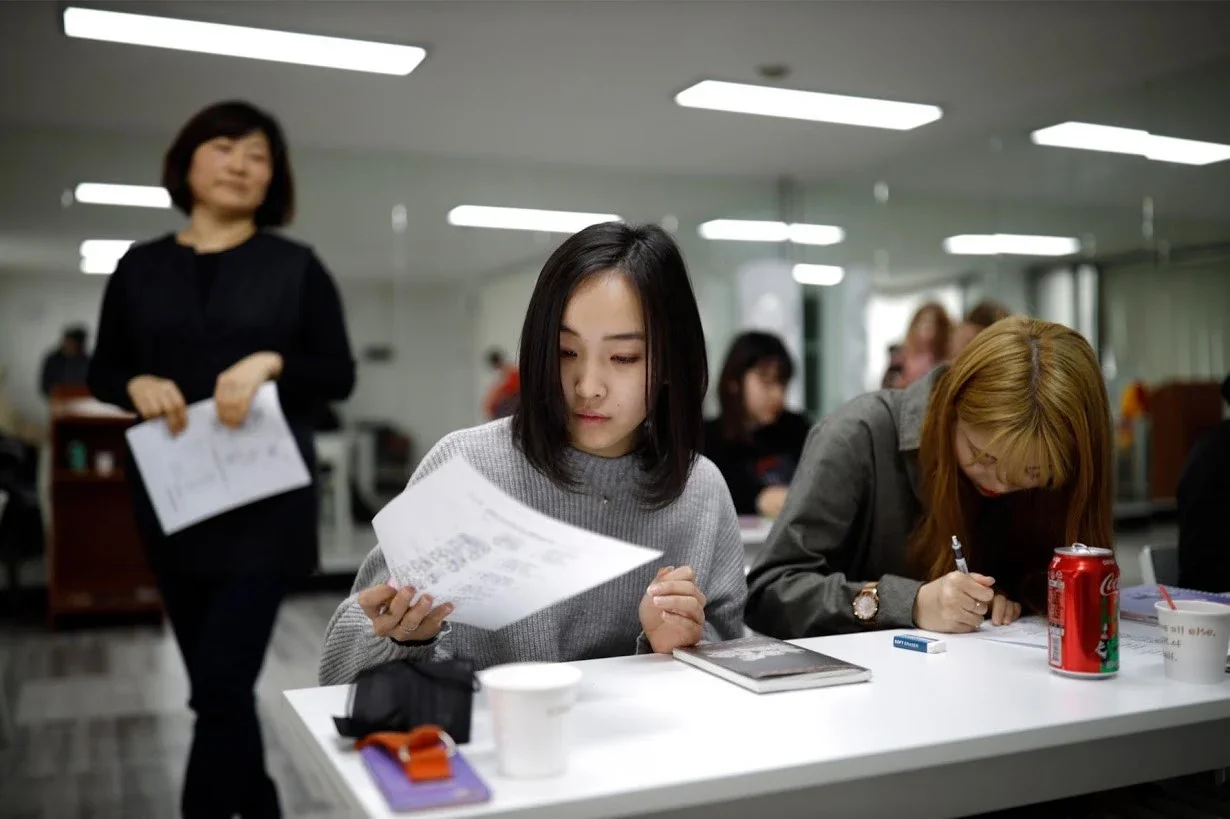
 01
Connect through language.
LANGUAGEFrom learning Korean to getting to know people. A way to turn everyday conversations and exchanges into opportunities to learn.
SEOUL K-CULTURE SCHOOL
Learning across Korea and Japan. Explore language, culture and the arts while planning your own next step.
Explore the learning themes ↗
01 / OUR CONCEPT
What you discover in class. What you experience in the city.
What you create together with others.
SEOUL K-CULTURE SCHOOL envisions a new way to learn, connecting experiences in Korea with everyday learning. Starting with what you love, explore your next step across languages and cultures.
This page introduces the proposed school concept. Programmes, partner schools, academic recognition arrangements and admission requirements will be announced once official information has been confirmed.
02 / FIND YOUR EXPRESSION
Learning themes / Proposed outline
Three perspectives on learning, inspired by these photographs.
01From learning Korean to getting to know people. A way to turn everyday conversations and exchanges into opportunities to learn.
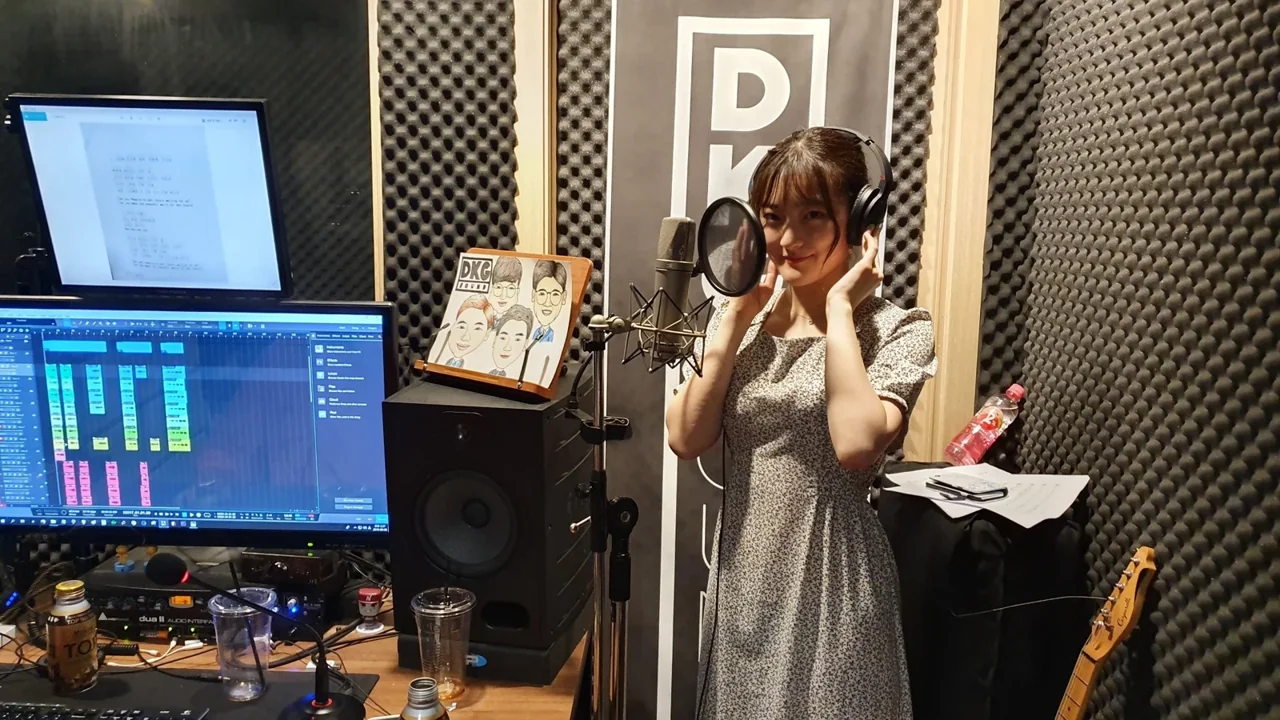 02
Music, singing and dance. Spend time with what moves you, and discover your own way to express yourself.
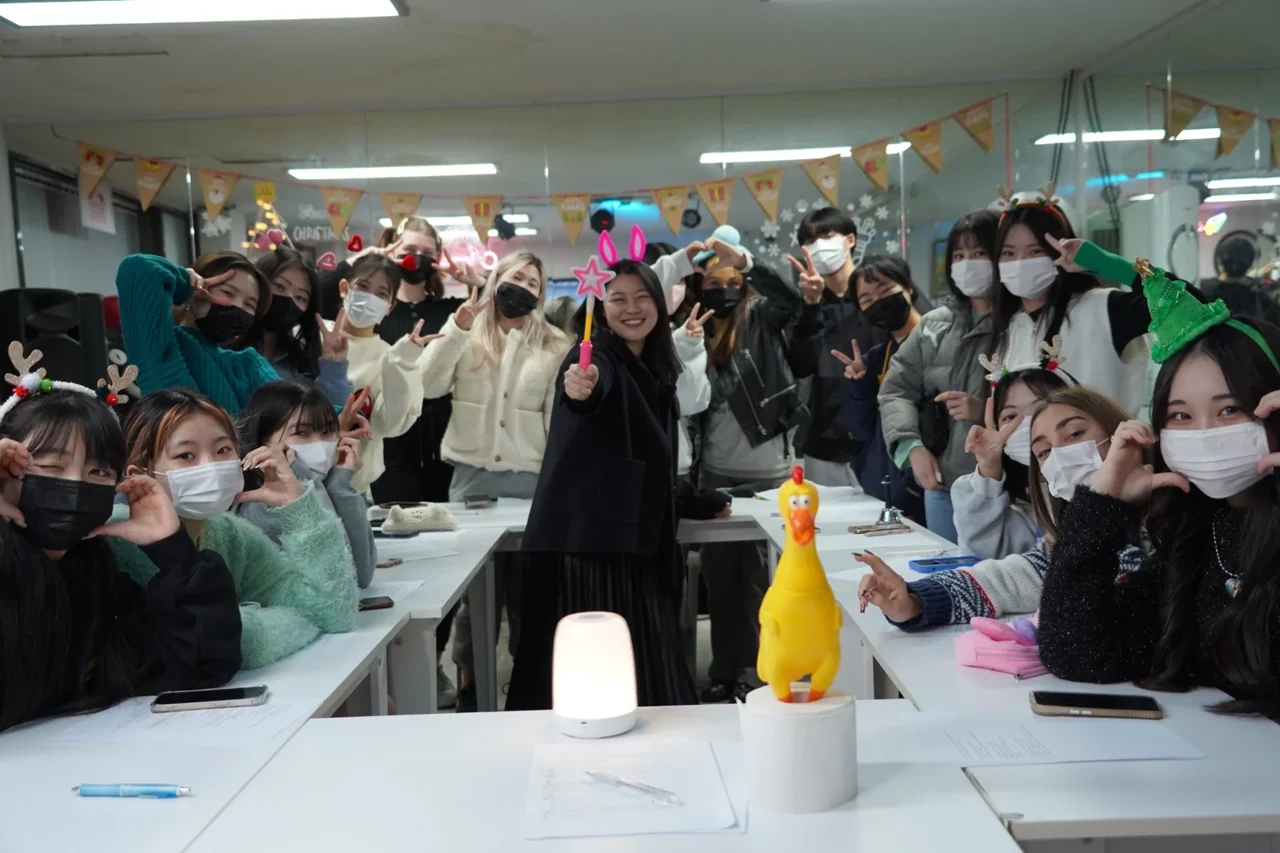 03
Meet, talk and spend time with people from different backgrounds. Experience Japanese and Korean cultures up close.
LEARNING JOURNEY
Review enrolment, interests, Korean proficiency and preferred duration with the student and family. Discuss attendance, credits and graduation requirements with the home school in Japan first.
Draw on exchange-study language, interview and school-life preparation. A transfer to a Korean school requires separate checks of schools, documents and admission conditions.
Discuss a combination of online learning and in-person activities in Seoul. Choose language, cultural enquiry, exchange and creative expression to fit individual goals.
Review learning and activity records to plan further study and future pathways. Each school determines attendance, credit recognition and graduation under its own rules.
LANGUAGE · CULTURE · EXPRESSION
These educational themes draw on three existing programmes. They do not mean every activity is included in a core course or offered on a fixed schedule. Confirm the individual timetable, costs and eligibility through consultation.
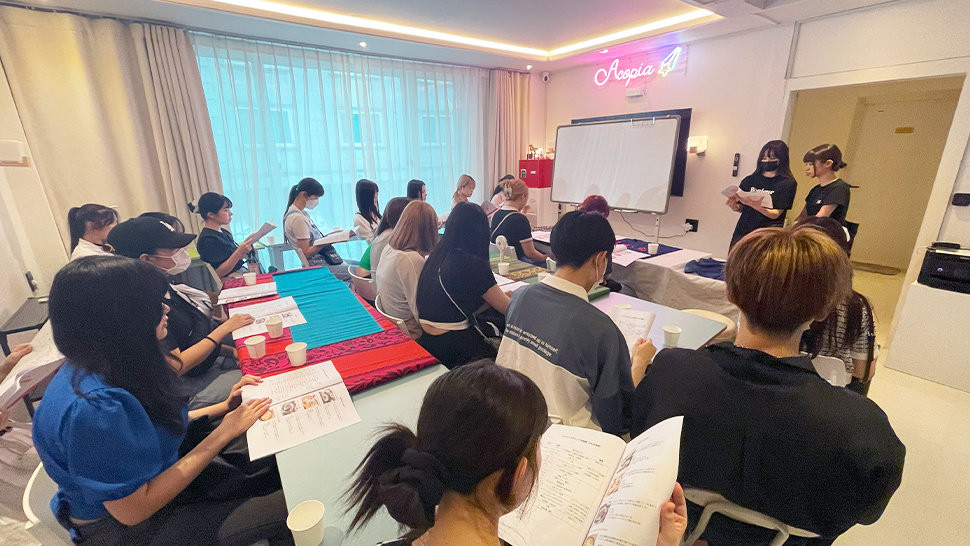
Korean conversation, pronunciation and basic grammar, with TOPIK preparation where appropriate. Student exchanges, school visits and interview preparation connect learning with everyday life.
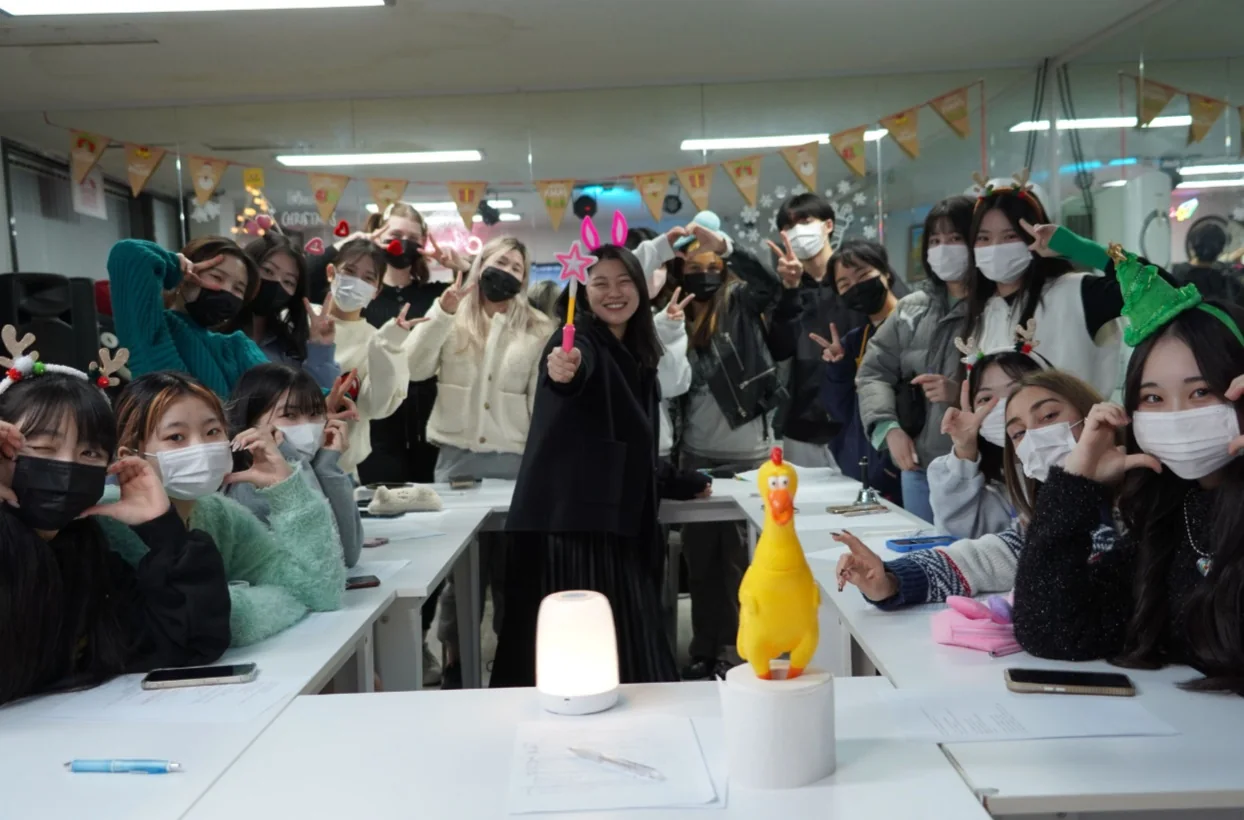
Explore schools, school meals, dramas, cafés and ways of addressing others. Neighbourhood visits, Korean home cooking and exchange activities help students understand one another’s daily lives.
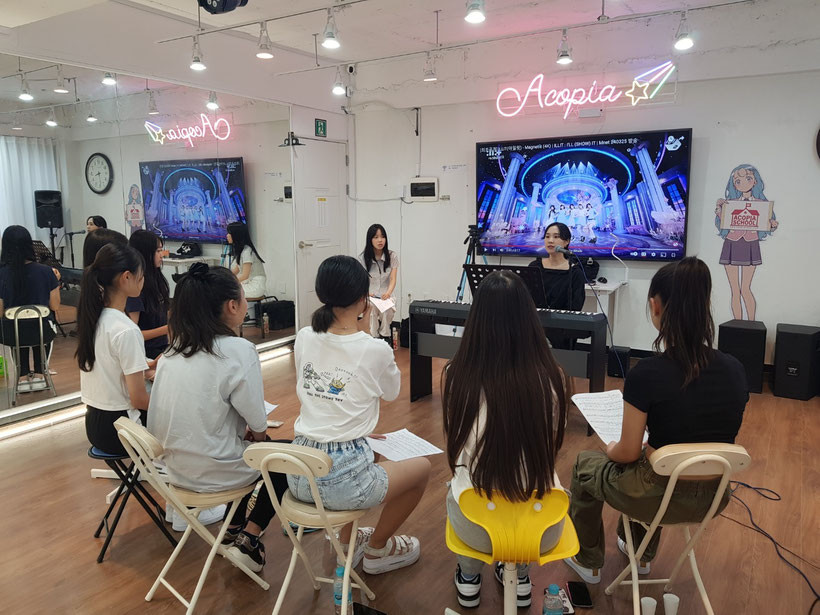
Explore dance, vocals, self-expression, specialist talks and demonstrations, and preparation for performances or auditions. Participation in auditions, selection and debut are not guaranteed.
Photos show previous ACOPIA activities, not confirmed classes, participants or instructors for this course.
Selected from sample Korean culture lessons in the Renaissance programme. Check the actual instructors, sequence, number of sessions and materials before participation.
03 / MOMENTS IN SEOUL
PHOTO JOURNAL
Scenes of learning and exchange from the supplied photographs.
The photographs shown are activity materials supplied for this page. They do not establish that the activities are classes run by this school or that the participants are its enrolled students. The performance poster is archival material, not an announcement of an upcoming event.
04 / LIFE IN KOREA
Finding a place to live is an important part of preparing for life in Korea. For reference, you can explore KOREA PLAZA HIROBA’s guide to finding accommodation in Seoul.
Explore housing information for Seoul ↗This link opens an external website. Check that site for current services, prices and terms. It is not information about this school’s dormitories or fees.
05 / BEFORE YOUR NEXT STEP
Here is the key information to consider when exploring enrolment.
Applications and personal information are not being accepted until admission details are finalised.
The recognising authorities, partner schools, completion and graduation requirements, and how qualifications would be treated in Japan and Korea are still being confirmed. “An alternative school with a Japan–Korea joint programme and academic recognition” is a proposed description, not confirmation of recognition or of any qualification available through the school.
Eligible ages, entry requirements, programme start dates, tuition and other fees have not yet been published. These will be announced once the official admissions guidelines are confirmed.
Visa or residence status and the procedures required depend on nationality, length of stay and programme. See the link above for housing information. This page does not offer dormitory accommodation, a school housing guarantee or a guarantee of obtaining a visa.
Asia Hope Camp Organization
KOREA PLAZA HIROBA Co., Ltd.
204-57 Donggyo-dong, Mapo-gu, Seoul, Republic of Korea (Postal code 03993)
6-minute walk from Exit 2 of Hongik University Station, Subway Line 2
Corporate business registration number: 104-86-50960
Tourism business registration number: 제2016-000057호
Mail-order business notification number: 제2021-서울마포-2267호
Popular culture and arts planning business registration: BOBBIDI FACTORY 24109-2022-000010
Free employment placement business registration: 제2022-3130223-14-5-00002호
Tomato Korean Language Institute — tax-exempt corporate business number: 511-82-69897
Publisher notification number: 제2026-000230호
Newspaper (Asia Union Newspaper) registration number: 서울 아53974
Telephone +82-2-776-2004